Wild animals do not read leases, and they do not care about move-in dates. They squeeze through dryer vents, nest under decks, drop into soffits, and treat crawlspaces like winter condos. For landlords, that reality collides with habitability standards, tenant expectations, and timelines that rarely allow for trial and error. Good wildlife control is not just pest work. It is building science, legal compliance, risk management, and neighbor diplomacy wrapped into one.
This guide distills the day-to-day decisions landlords face when a raccoon tears up attic insulation, a colony of bats shows up behind shutters, or rats exploit sloppy construction gaps. It covers what to do in the moment, how to set policy ahead of time, where the liability sits, and how to work with a wildlife trapper who actually understands rental logistics.
Habitability, liability, and the lease
Landlords typically carry responsibility for maintaining a habitable property. Wildlife can compromise “habitability” in several ways: noise that disrupts sleep, damage that affects structural integrity, contamination from urine and feces, parasitic vectors like fleas and mites, and secondary hazards such as chewed electrical wires. In many states and provinces, once notified, the landlord must act within a reasonable time. What counts as “reasonable” depends on the severity. A live raccoon in a kitchen at 2 a.m. is an emergency. A mouse sighting in a garage is not the same priority as a live bat in a bedroom.
Your lease should spell out notification procedures, after-hours protocols, tenant obligations to report early signs, and access permissions. It should also clarify that tenants cannot set traps, use poisons, or attempt wildlife removal on their own. That is not only about safety. Unauthorized trapping can violate state wildlife laws and void insurance coverage. I have seen a weekend DIY glue-board job turn into a compliance quagmire after a tenant trapped a protected songbird. The cleanup and reporting took longer than a professional fix would have.
As for who pays, most leases treat wildlife that is not caused by tenant behavior as the owner’s responsibility. If a tenant stores open birdseed in the laundry room or propped a door open for days, you may be able to allocate charges. Document thoroughly. Time-stamped photos and technician notes close arguments before they start.
Priorities in the first 24 to 72 hours
Start with health and safety. If a bat was present in a sleeping area, treat it as a rabies exposure until proven otherwise. Do not let a well-meaning tenant release the bat. If possible, contain the room and call a wildlife trapper familiar with rabies protocols so the animal can be captured and tested. If the bat is not available for testing and a potential exposure occurred, tenants should follow public health guidance, which often means consulting a medical provider about post-exposure prophylaxis. The cost and stress of that situation dwarf the fee for proper capture and testing.
For rodents, look for the electrical panel, appliance cords, and attic wiring. Gnawed insulation on conductors calls for an electrician after removal. Raccoons and squirrels can rip flex ducts, so check the HVAC system and plan for sanitation and air-quality restoration if droppings are present in supply chases.
Contain access points quickly. If an opening is large enough for a raccoon or opossum, a temporary one-way door can be installed the same day. For rats and mice, a thorough inspection and targeted sealing often start immediately, but avoid throwing poison into a multiunit building. Anticoagulant rodenticides cause delayed death and can push animals into wall voids, creating odor complaints and fly outbreaks. In rentals, especially stacked units, you want control that avoids dead-animal retrieval from inaccessible cavities.
Wildlife exterminator or wildlife control operator?
Terminology matters. “Wildlife exterminator” is common in casual speech, but many jurisdictions prohibit lethal control of certain species and require humane methods. A licensed wildlife control operator focuses on capture, exclusion, and structural remediation. For rodents, lethal methods often play a role, but for raccoons, squirrels, skunks, bats, and birds, the work centers on eviction and wildlife exclusion.
When screening providers, ask about licenses, insurance, and specific experience with rentals and HOA rules. Listen for how they talk about the building envelope. Good operators discuss fascia gaps, ridge vents, plumbing penetrations, and how materials like hardware cloth, metal flashing, and wildlife-proof screens will be used. If a company only quotes per-animal removal without an exclusion plan, the problem will return.
The building science of keeping animals out
Inspections should start outside, daylight in hand, ladder on the truck. I ask tenants about noises, time of day, click here and location. Squirrel noise at first light in a roof corner suggests a different entry pattern than nocturnal thumps over the living room. Raccoons prefer larger holes and often peel back shingles or push into soffits near a valley. Bats slip into gaps smaller than a finger at eaves or under ridge caps. Rats use thumb-size openings at utility penetrations, door sweeps, and garage seals. Mice need even less.
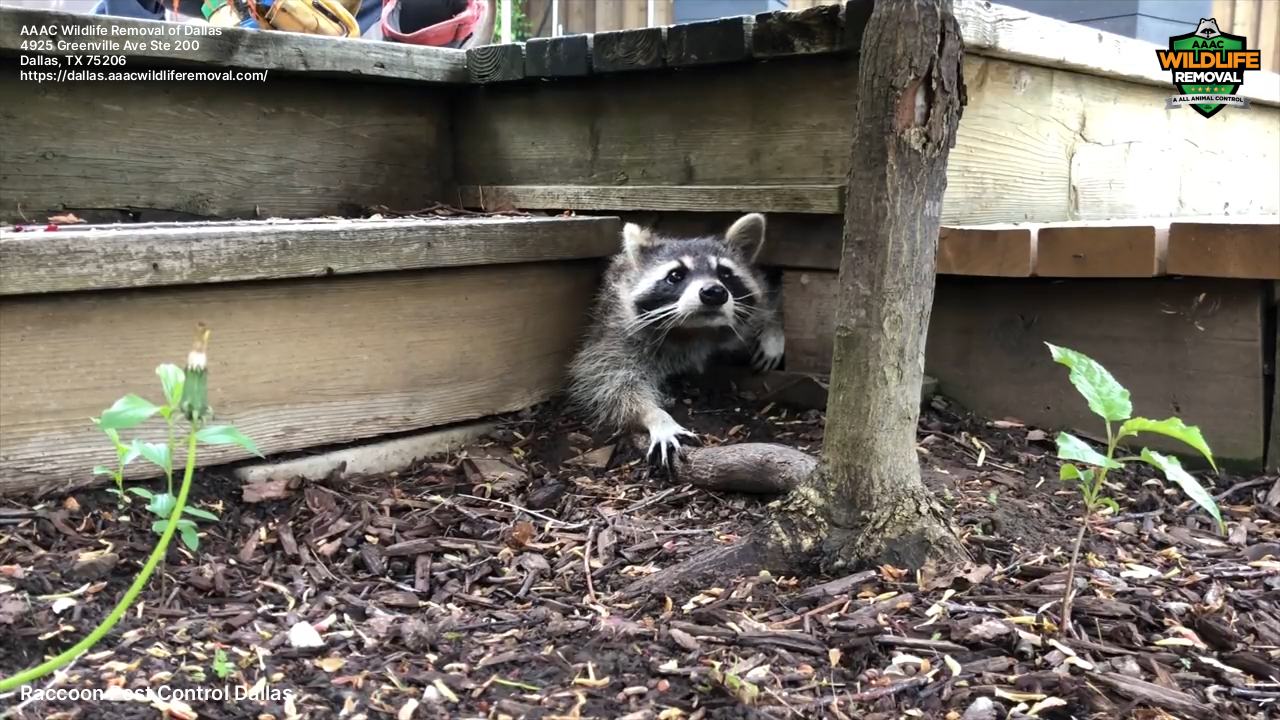
Effective wildlife exclusion hinges on two principles. First, remove or evict all animals before sealing, unless installing one-way devices that allow exit without reentry. Second, harden the building envelope with the right materials. Spray foam and caulk alone are invitations to chew, not barriers. Layer metal flashing, galvanized hardware cloth, and exterior caulk so the chewable layer is backed by a chew-proof layer. On rooflines, use ridge vent guards rated for wildlife. On vents, install code-compliant screens that maintain airflow but block entry. Chimney caps pay for themselves the first time a squirrel or starling colony is denied a nesting site.
Dryer vents deserve special attention. Lint is a nesting magnet, and flimsy plastic louvers do not stop anything. A powder-coated, pest-rated vent guard with a quick-release for cleaning works well. On ground-level doors, commercial-grade door sweeps and threshold plates close the gap rodents love. Basement windows often rot around the sill, creating easy routes. If you do not repair the rot, you will be back every season.
Species-specific patterns landlords see again and again
Bats: They do not chew holes. They exploit construction gaps. You will see stains called “bat sebum” around entry points, and guano accumulates below. Timing matters. Most regions prohibit bat exclusion during maternity season, often a window in summer when pups cannot fly. If your wildlife trapper suggests installing one-way devices in that period, be cautious and verify local rules. Plan bat work for spring or late summer into early fall, and schedule cleanup once the colony is out. Guano removal and attic sanitation require proper protective gear and containment.
Raccoons: Heavy, clever, and stubborn. They exploit weak soffits and unprotected roof vents. They also target unsecured trash. In one fourplex I manage, raccoons learned to topple standard bins. A switch to latching wildlife-resistant cans cut visits by 90 percent. Interior damage can be significant, so check for insulation displacement and heavy contamination. Eviction often uses one-way doors plus immediate reinforcement, not baited traps and wait-and-see. Trapping can work if the structure cannot accept a one-way, but release rules vary.
Squirrels: Diurnal, noisy, and fond of gnawing. Attics with tree branches overhanging are prime targets. Trim branches 8 to 10 feet off the roofline to discourage easy access. One-way devices and ridgeline reinforcement tend to solve most cases, but do not forget to check for juvenile squirrels in season. Sealing a nest with young inside creates an odor and a complaint that no landlord needs.
Rodents: Rats and mice are a marathon, not a sprint. An integrated approach combines exclusion, snap-trap placement in protected stations, sanitation, and close follow-up. Tenants need to store dry goods in sealed containers, not paper bags. Keep bait blocks out of living spaces. I prefer snap traps and CO2-powered repeating traps in utility areas over loose bait in occupied units. For multiunit buildings, map the risers and utility chases. An infestation on the first floor often rides plumbing to the fourth.
Birds: Starlings and sparrows like dryer vents and gaps around eaves. Nested materials in a dryer line are a fire hazard. For ledges and signage, gentle deterrents like angled ledge modifications or discreet netting beat spike strips that collect debris and look grim. If nests are active with eggs or chicks, legal constraints may apply. A wildlife control professional should identify species before removal.
Skunks and opossums: Ground dwellers that take advantage of decks, sheds, and pier foundations. L-shaped footer screens that extend 12 to 18 inches horizontally underground stop digging. A short fence panel sunk just below grade around the deck perimeter can be the difference between peaceful summer evenings and a family skunk drama.
Health considerations and remediation standards
Animal contamination is more than an odor issue. Droppings can harbor bacteria and fungi. Rodent urine fluoresces under UV light, which helps scope cleanup. For large accumulations, request an attic remediation plan: containment barriers, negative air where appropriate, HEPA-rated vacuums, and removal of soiled insulation. Disinfection should use products labeled for the environment and purpose, with dwell time observed. Once cleaned, the attic may require partial reinsulation to restore R-values. Budget that now to avoid tenant comfort complaints later.
Odor control should not rely on “bombs” or cover scents. If a dead animal is inside a wall, the smell peaks around day three to seven, and flies appear shortly after. A trained technician can often locate the cavity using thermal imaging and experience. Cutting surgical access and bagging the carcass is faster and less disruptive than hoping it dissipates. Document the patch and repaint. If tenants have respiratory sensitivities, offer temporary accommodations during heavy cleanup. The goodwill return is real.
Choosing a wildlife trapper who speaks landlord
I look for three traits. First, responsiveness paired with triage skill. The technician should tell you, within minutes of a call, whether the situation is same-day urgent, next-day urgent, or routine. Second, a bias toward wildlife exclusion and structural fixes, not just animal removal. Third, clear communications and photos that you can drop into a maintenance log.
Ask for sample reports. A good vendor provides before-and-after images, a diagram or photo markup of entry points, a materials list, and a warranty on exclusion work, commonly one to three years. Warranties are only as good as the fastening methods. Screws beat staples. Metal beats foam. If the vendor subcontracts roof work, make sure insurance certificates cover the roof line.
Pricing models vary. For a typical single-family home with a raccoon entry, expect a range in the low four figures for comprehensive exclusion and eviction. Bat work can exceed that when ridge vent guards run the length of the roof. Rodent programs in multiunit buildings may run monthly for monitoring, which works if the provider is actually sealing entry points along the way. Pay for results, not endless “monitoring” with no structural progress.
Communication with tenants that keeps everyone calm
Tenants want two things: a fast response and a clear plan. A short message goes a long way. Acknowledge the issue, explain the immediate step, and give a window for inspection. If a bat incident occurs, provide public health contacts and document conversations carefully without giving medical advice. For multiunit buildings, notify neighbors when work could generate noise at the roof line or limit access temporarily. Offer narrow time windows for technician entry and stick to them. Few things erode trust faster than multiple missed appointments with scratching still overhead.
If the problem stems from tenant behavior, address that tactfully. Food left on patios, propped doors in secure garages, or feeding wildlife, intentional or not, can void prevention efforts. Add a house rule if needed, but couple it with practical alternatives: wildlife-resistant trash cans, door closers that actually close, storage bins for pet food.
Insurance, risk, and the cost of delay
Insurance may cover structural damage from wildlife in some policies, but not cleanup, and often not rodents. Read your policy and ask your agent explicit questions. If a raccoon tears a hole in the roof during a storm, you might be covered under wind or “sudden and accidental” provisions, while long-term rodent gnawing is typically excluded. Document everything with date-stamped photos and technician notes. In one claim, the difference between denial and approval was a single sentence noting “storm-lifted shingles at ridge, raccoon exploited opening same night.”
Delays can multiply costs. A $500 exclusion at a dryer vent becomes a $2,000 cleanup when birds nest and clog the line, causing a dryer fire hazard. A small soffit gap that lets squirrels in can translate to days of HVAC work when they chew through flex duct. Speed does not mean sloppiness. It means decisive triage followed by permanent fixes.
Seasonal timing and scheduling realities
Wildlife pressure changes through the year. Spring brings nesting behavior. Late summer and fall bring young dispersing and looking for homes. Winter pushes animals toward warmth. Plan proactive inspections in late summer before the first cold snap. Schedule tree trimming early, not after the first complaint. Stock the right materials in your maintenance team’s van: exclusion-grade vent covers, door sweeps, steel wool, metal flashing, and the screws to match. Your team can handle simple deters and immediate safety measures while you schedule a wildlife control professional for anything that involves live animals or roof work.
Certain work has legal timing constraints. Bat exclusions often have blackout windows to protect pups. Some regions have seasonal protections for specific birds. A reputable wildlife trapper will advise on compliant timing. Build a calendar reminder for properties with known bat history. Owners who treat bat work as a one-off emergency pay more and wait longer than those who schedule well outside maternity season.
The landlord’s playbook for a wildlife-safe property
Set policy in writing. Spell out emergency definitions, who to call, and access permissions. Give tenants a simple way to report noises or sightings, ideally with the ability to upload photos. If your building has had issues, include a one-page guide at move-in that lists common signs to watch for: scratching in walls at night, droppings in utility rooms, loose soffit panels, or unusual smells. Early notice saves money.
Vet vendors before crisis hits. Have a wildlife control operator ready, with a master service agreement that covers after-hours rates, roof access permission, and documentation standards. Make sure your property manager and front-desk staff know which situations merit immediate dispatch.
Budget for prevention. Line items for chimney caps, ridge vent guards, and exclusion screens beat reactive spend by a wide margin. On a duplex I manage, $1,100 in exclusion at known entry points eliminated three years of intermittent squirrel calls that had cost almost that much each year in piecemeal responses.
Train your maintenance crew on what not to do. No expanding foam as a primary barrier. No bait thrown into occupied spaces. No sealing holes without confirming animals are out. If they hear pups or juveniles, stop and call the pro. Good judgment prevents disasters.
A short, practical checklist landlords can use today
- Clarify in the lease that tenants must report wildlife issues promptly and may not conduct removal themselves. Prequalify a licensed wildlife trapper who provides exclusion, not just removal, and carries proper insurance. Stock prevention materials for quick fixes: pest-rated vent covers, door sweeps, galvanized mesh, and fasteners. Map utility penetrations, soffits, and known weak points for each property, and schedule seasonal inspections. Build a communication template for tenants that covers immediate steps, safety notes, and next-visit windows.
When wildlife removal intersects with multiunit politics
Condos and HOAs add layers. A raccoon that enters through common-area fascia is the association’s problem even if a single unit hears the noise. Property managers need a clear delineation of responsibility. Pressure-test your rules in advance. I once watched a board debate stall bat work for two months because the bylaws were vague on roof access authority. Meanwhile, guano accumulated and two owners called public health about bedroom sightings. Clear authority to hire and authorize roofline exclusion prevents that domino run.
High-rise buildings face a different set of issues. Pigeons colonize mechanical rooms and rooftop ledges. Netting, not spikes, is usually the durable solution. Vent and louver guards must maintain airflow ratings. If your HVAC contractor and your wildlife control provider do not coordinate, you can accidentally reduce intake performance during a heat wave. Bring them to the same site meeting.
What to expect in a well-run wildlife control project
A thorough inspection with photo documentation. A written plan that distinguishes immediate eviction steps from permanent wildlife exclusion work. A timeline that accounts for species behavior and legal constraints. Clear pricing that separates removal, exclusion materials, cleanup, and any restoration like insulation. A warranty on exclusion. A post-work walkthrough with photos so you can verify sealing quality.
On larger properties, the best providers hand over a simple map marking every treated entry point. That becomes your baseline for future inspections. If a new hole appears three years later, you can see whether it is a failure of the original work or a brand-new breach.
The human element: keeping expectations realistic
Even with good vendors, some jobs are not one visit and done. Rodent control in an older triplex might need two to four visits to dial in. Bat exclusions are seasonal. A dead-animal odor may take a day to fully dissipate after removal. Set expectations early, document progress, and show tenants the work. A photo of a sealed soffit or a replaced vent cover calms nerves more than an email that says “We fixed it.”
There will be edge cases. A bat appearance at midnight with no capture possible may require public health consultation even if you think exposure was unlikely. A tenant with severe allergies may need a professional sanitizer for even mild contamination. A bird’s nest on a balcony that is active may require waiting until fledging before removal, paired with cleaning and deterrents for next season. These are judgment calls. Err on the side of safety and compliance.
Final thought from the trenches
Wildlife problems signal a building gap as much as an animal event. If you treat them like pure pest calls, they recur. If you treat them like envelope failures with living consequences, they get solved. The most cost-effective landlords I know bake wildlife exclusion into capital planning, build relationships with a skilled wildlife trapper, and empower tenants with clear reporting paths. Do that, and wildlife removal becomes an occasional maintenance story, not a rotating cast of midnight emergencies.